

You’re busy, the dining room is full, and on paper the restaurant should be doing well — but somehow the margins aren’t there. Labor creeps up every week, prep runs long, managers handle problems differently depending on the shift, and by the time winter hits and traffic drops, the cracks in the operation start to show.
This is where Accross Restaurant Consulting comes in. We work directly with Chicago operators to tighten operations, fix the systems behind the numbers, and turn inconsistent performance into something predictable and profitable.
Book a free 30-minute profitability review
We work with independent restaurant owners and multi-unit groups across Chicago — from West Loop concepts trying to stay competitive in one of the most crowded dining corridors in the country, to neighborhood spots in Logan Square and Wicker Park that need tighter cost control to survive slower seasons.
If you’re running 1–8 locations and feel like the business depends too much on you personally holding it together, you’re exactly who this is for.
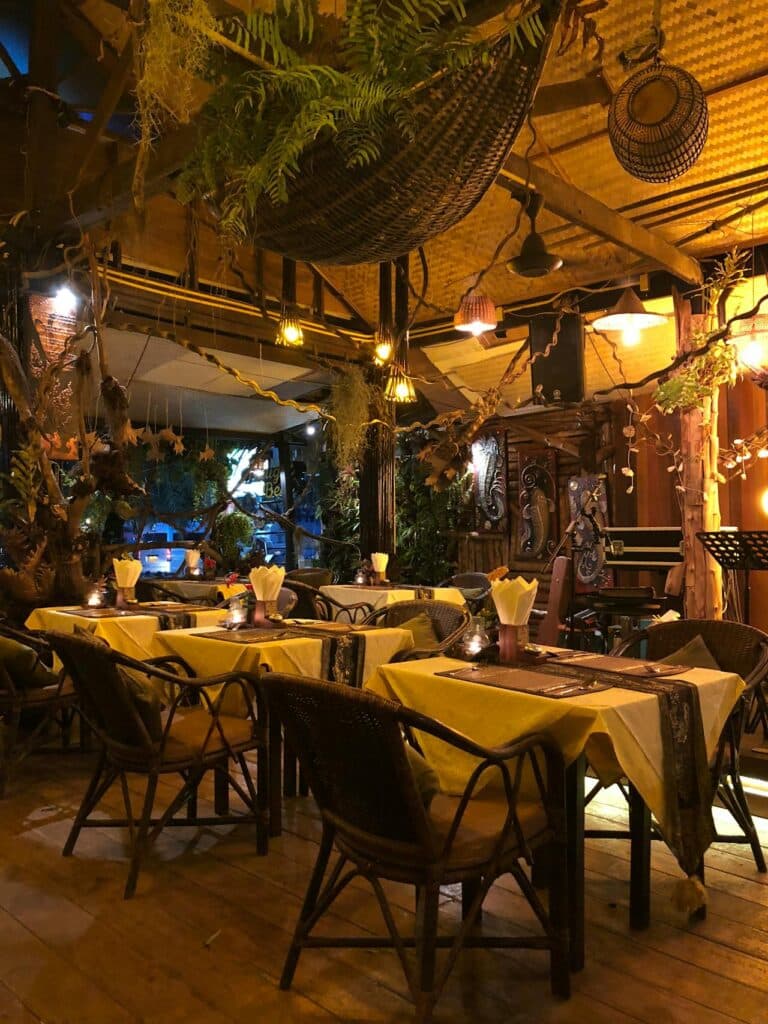
Chicago isn’t a year-round volume market. When January through March hits and foot traffic drops across River North and Fulton Market, the operators with tight systems survive — and the ones without them start cutting blindly.
We build operations that hold up when revenue dips, not just when the patio is full in July.
With tipped wage changes and rising hourly expectations, labor isn’t something you can “manage later.” Across neighborhoods from Old Town to South Loop, operators are competing for the same experienced staff pool.
We restructure scheduling, roles, and accountability so labor moves with revenue — not against it.
Chicago’s independent dining scene is one of the most competitive in the country. In places like the West Loop, you’re not just competing on food — you’re competing on execution, speed, consistency, and experience every single night.
We help operators build systems that make consistency repeatable, not dependent on one strong manager or chef.

CEO
We come in and look at how the restaurant actually runs — not how it’s supposed to run. Labor deployment, prep flow, purchasing habits, manager behavior, reporting structure. Then we tie it all back to your numbers.
We don’t hand you a playbook and disappear. We rebuild schedules, adjust menus using contribution margin, tighten vendor relationships, and install systems your team can actually follow during a busy Friday night service.
We stay involved through weekly reporting, manager check-ins, and continuous adjustments. The goal is to build something that holds up long-term — not a short-term fix that falls apart in three months.
Most consultants either come from corporate chains or purely culinary backgrounds. They bring systems that don’t translate to independent restaurants running a handful of locations.
Accross comes from inside the business. Our founder has Big 4 and BDO audit experience and served as CFO and Interim CEO of a 10-location restaurant group generating ~$70M in annual revenue with over 600 staff.
That matters because we don’t separate operations from the numbers. Every operational change is tied to margin, and every financial decision is grounded in how your restaurant actually runs on a Friday night.
If you feel like your restaurant should be more profitable than it is, you’re probably right.
Call 786-763-2428 or book a free 30-minute profitability review and we’ll walk through where the operation is breaking down and what to fix first.
We build labor models and cost structures that adjust with lower revenue, so you’re not reacting late when traffic drops. The goal is to protect margin before the slowdown hits.
Yes — we implement consistent systems, reporting, and manager accountability so performance doesn’t vary wildly between locations.
Inconsistent execution between shifts. One strong manager can mask deeper system problems that show up the moment they’re not in the building.
We work across the city, including neighborhoods like Logan Square, Wicker Park, and South Loop — each with different traffic patterns and operational challenges.
Most operators start seeing measurable improvements in labor control and operational consistency within the first 30–60 days, with deeper margin gains building over time.